AI stock pickers are everywhere, promising to do your research, or even your investing, for you. The truth is more useful and more sober. Used well, AI tools are powerful research aids that sift data and surface ideas at speed. What they are not is fortune tellers, and any tool claiming guaranteed wins is a fraud red flag. This guide explains how AI stock tools work and where their limits lie, drawing on the SEC and FINRA. If something feels wrong, our investment scam radar tool is a quick first check.
What an AI Stock Picker Is
An AI stock picker, sometimes called an AI analysis or learning tool, is software that uses artificial intelligence and machine learning to analyse market data. In practice that means screening stocks against criteria, ranking or scoring them, summarising company filings and news, spotting patterns, and helping you backtest ideas, all far faster than a person could by hand. Used well, these are genuinely useful research aids that speed up the legwork of investing and help you learn. That is what they are: tools that process information.
What they are not is fortune tellers, and that is the point to hold from the outset. No AI tool can reliably predict the future or guarantee returns. In fact, the SEC warns that scammers are exploiting the popularity of AI with trading systems that claim they cannot lose or pick guaranteed winners, and that guaranteed high returns with little or no risk are classic warning signs of fraud. The sections below explain what AI tools can genuinely do, what they cannot, and how to use them sensibly.
What AI Tools Can Genuinely Do
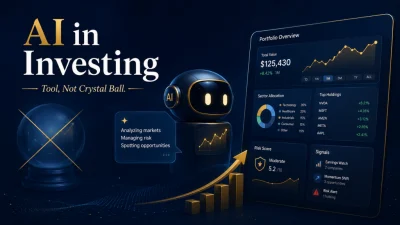
AI tools earn their place through a handful of real strengths, and the summary below gathers them. They can screen by your criteria, rank and score stocks, summarise filings and news, spot patterns in data, backtest an idea, and generally speed up research. Notice that every one of these is about processing information faster and more broadly than you could by hand, which is exactly where the technology helps.

How an AI Stock Tool Works
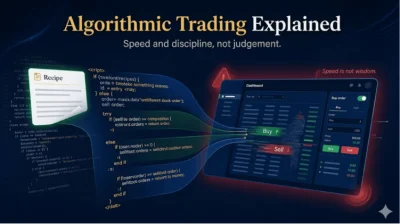
Behind the marketing, the workflow is fairly consistent, and the steps below set it out. The tool ingests large amounts of market and company data, a model screens, scores or ranks based on patterns and criteria, and it surfaces candidates or summaries. You then review the output and the reasoning, and you make your own decision. That last step matters most: the tool informs the decision, but it should not make it for you.
What AI Tools Cannot Do
It is just as important to be clear about the limits, and the panel below sets them out. AI tools cannot predict the future or guarantee returns, they can be wrong, biased or overfit, and their output is only as good as the data behind it. Past performance does not guarantee future results, and an AI tool is not personalized financial advice. Keeping these in mind stops you from asking a tool to do something no tool can.

The Big Red Flag: Guaranteed Returns
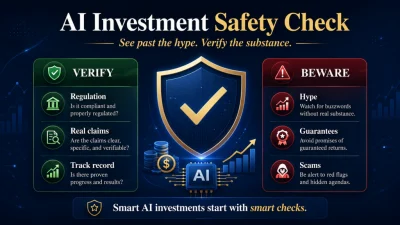
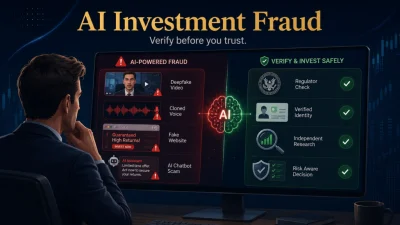
One warning matters more than any other, and the panel below sets it out. The SEC warns of AI trading systems claiming they cannot lose or pick guaranteed winners; guaranteed high returns with little risk are classic signs of fraud; scammers actively exploit AI hype; even some firms overstate their AI, a practice regulators call AI washing; so you should use only registered firms and platforms. If a tool promises certainty, that is the moment to walk away.
How to Use AI Tools Sensibly
Getting value from AI tools while staying safe comes down to a few habits, and the comparison below sets out the right and wrong ones. The sound habits are to treat it as a research aid, verify what it surfaces, use registered providers, and make your own decision. The habits to avoid are trusting it as an oracle, believing guaranteed returns, acting without checking, and handing over your judgement. The difference is whether the tool sharpens your thinking or replaces it.
Common Mistakes People Make
These four mistakes confuse a research aid with an oracle.
Believing AI can guarantee returns
Why it backfires: Trusting any claim that an AI system cannot lose or picks guaranteed winners ignores a classic warning sign of fraud.
Do this instead: Treat guaranteed high returns with little risk as a red flag, since the SEC warns these are classic signs of investment fraud.
Treating the output as an oracle
Why it backfires: Acting on an AI tool’s suggestion without checking it confuses a data driven guess with certainty.
Do this instead: Use AI output as a starting point for your own research, and verify it against the company and the wider picture.
Ignoring the data behind it
Why it backfires: Assuming an AI tool is always right overlooks that it can be biased, overfit, or based on flawed or limited data.
Do this instead: Understand, where you can, what data and logic a tool relies on, since its output is only as good as its inputs.
Using unregistered platforms
Why it backfires: Handing money to an unregistered AI trading platform promising big gains is a common route into a scam.
Do this instead: Use only registered firms and platforms, and check registration before investing, especially where AI claims are involved.
The Honest Bottom Line
The honest reality is that AI stock pickers are useful tools and overhyped promises at the same time. As research aids, they are genuinely powerful: they can screen thousands of stocks against your criteria, rank and score them, summarise filings and news, and surface patterns and ideas in seconds. For processing data and speeding up research, they earn their place, and StockEducation builds AI tools in exactly that spirit, to help you learn and analyse.
What no AI tool can do is predict the future or guarantee returns. Markets are uncertain, models can be wrong or biased, and the output is only as good as the data behind it, so past performance does not guarantee future results and an AI tool is not personalized advice. The SEC is blunt that scammers exploit AI hype with claims that a system cannot lose or picks guaranteed winners, and that guaranteed high returns with little risk are classic warning signs of fraud. So use AI tools as aids, verify their output, stick to registered platforms, and keep the decision your own. This article is educational information, not financial advice.
The right way to think about an AI stock picker is as a tool, not a fortune teller. Used well, it can sift mountains of data, screen and rank candidates, summarise filings and surface ideas faster than you ever could by hand, which genuinely helps your research. What it cannot do is see the future or guarantee a return, and the moment a tool or platform claims it can, the SEC says treat that as a classic sign of fraud. So lean on AI for the legwork, verify what it tells you, stick to registered providers, and keep the final decision firmly your own. The smartest use of an AI tool is to let it inform your judgement, never to replace it.
Frequently asked questions
What is an AI stock picker?
An AI stock picker is software that uses artificial intelligence and machine learning to analyse market data, for example by screening stocks against criteria, ranking or scoring them, summarising filings and news, or spotting patterns. It is a research tool that processes large amounts of information far faster than a person could by hand.
Can AI tools predict which stocks will go up?
No, not reliably. AI tools can analyse data and surface ideas, but they cannot predict the future or guarantee returns, because markets are uncertain and models can be wrong, biased or based on flawed data. Treat their output as a research starting point, not a forecast, and remember past performance does not guarantee future results.
Are AI stock pickers a scam?
The tools themselves are not inherently a scam, and many have legitimate research uses. However, the SEC warns that scammers exploit the popularity of AI, promoting trading systems with claims such as that they cannot lose or pick guaranteed winners. Any promise of high, guaranteed returns with little or no risk is a classic warning sign of fraud.
What can AI investing tools actually do well?
They are good at processing data quickly, screening stocks by criteria, ranking or scoring candidates, summarising filings and news, spotting patterns, and helping you backtest ideas. In other words, they speed up research and analysis. They work best as an aid to your own thinking, not as a replacement for it.
What are the limits of AI stock tools?
They cannot predict the future or guarantee returns, they can be biased or overfit, and their output is only as good as the data behind them. They are also not personalized financial advice. So their suggestions should be verified and combined with your own research, rather than treated as certainties.
How do I use AI investing tools safely?
Treat them as research aids rather than oracles, verify what they surface against the company and the wider picture, and make your own decisions. Use only registered firms and platforms, check registration before investing, and be deeply sceptical of any AI tool promising guaranteed returns, which the SEC flags as a classic sign of fraud.
Sources
All claims in this article are supported by the sources listed below. Verify details against the originals before making investment decisions.
- U.S. Securities and Exchange Commission (Investor.gov). Artificial Intelligence (AI) and Investment Fraud: Investor Alert. Accessed 10 June 2026.
- Financial Industry Regulatory Authority (FINRA). Artificial Intelligence (AI) and Investment Fraud. Accessed 10 June 2026.
Before you act on this
This article explains how something works. It is general education, not advice about your situation. It does not consider your goals, income, tax position or how much risk you can afford.
Investing involves risk, including losing money. Before you act, speak to a licensed professional. You can check whether someone is licensed at Investor.gov and FINRA BrokerCheck.