
Free beginner lessons
Free, short lessons on how the stock market works. Pick a topic below and learn one idea at a time.
The core ideas every investor needs: what a share is, how markets and prices work, how to read a company's financial statements, big principles such as compounding, diversification and margin of safety, and how to read a price chart. Each idea has its own short, free lesson here, written for beginners.
Updated 12 October 2026 · Education, not personal advice

 Start hereTypes of InvestingThe main ways to invest and how they differ.
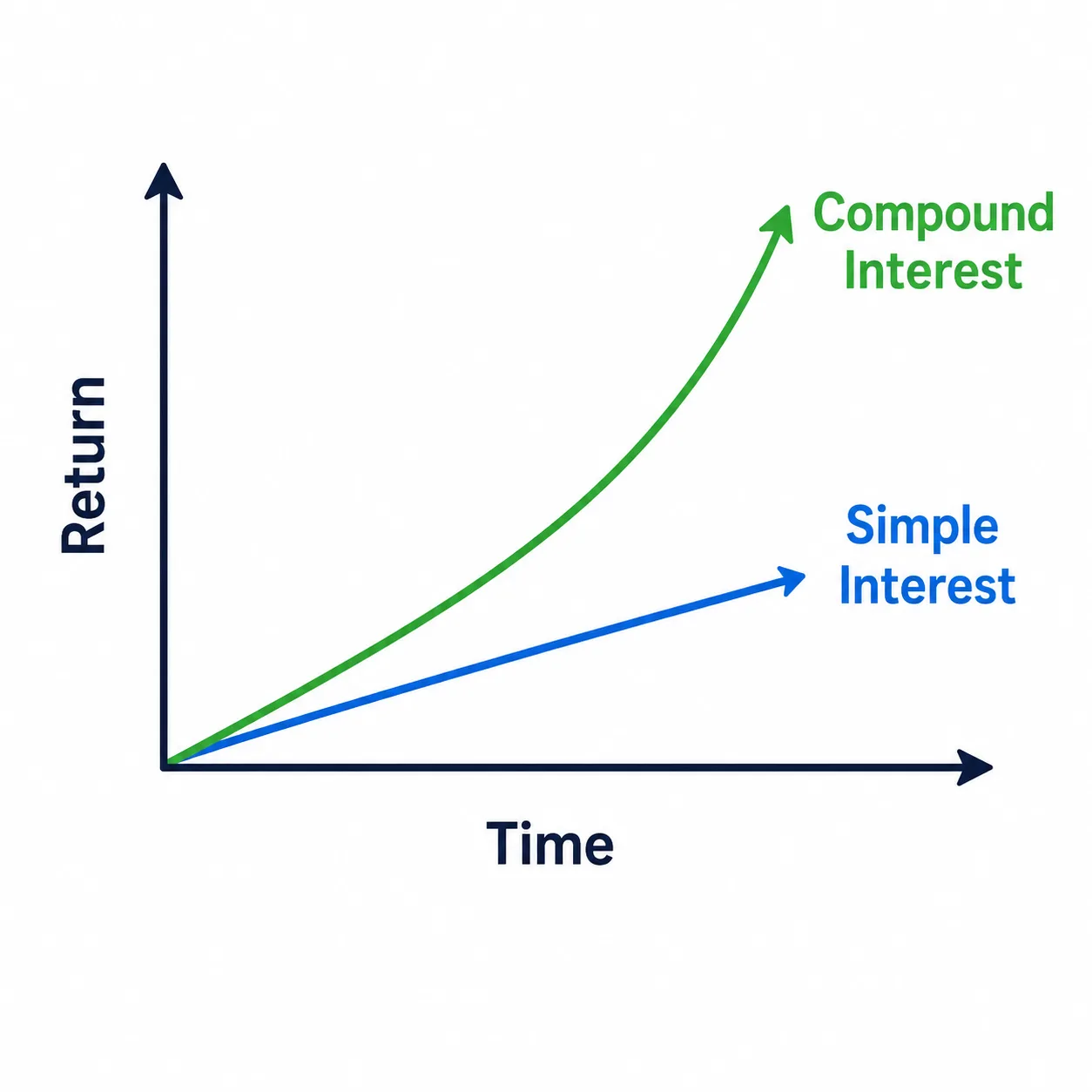 Compound InterestHow returns earn returns, and why starting early matters.
 DiversificationWhy spreading your money across many investments lowers risk.
 Risk Management in InvestingHow beginners can limit their losses.
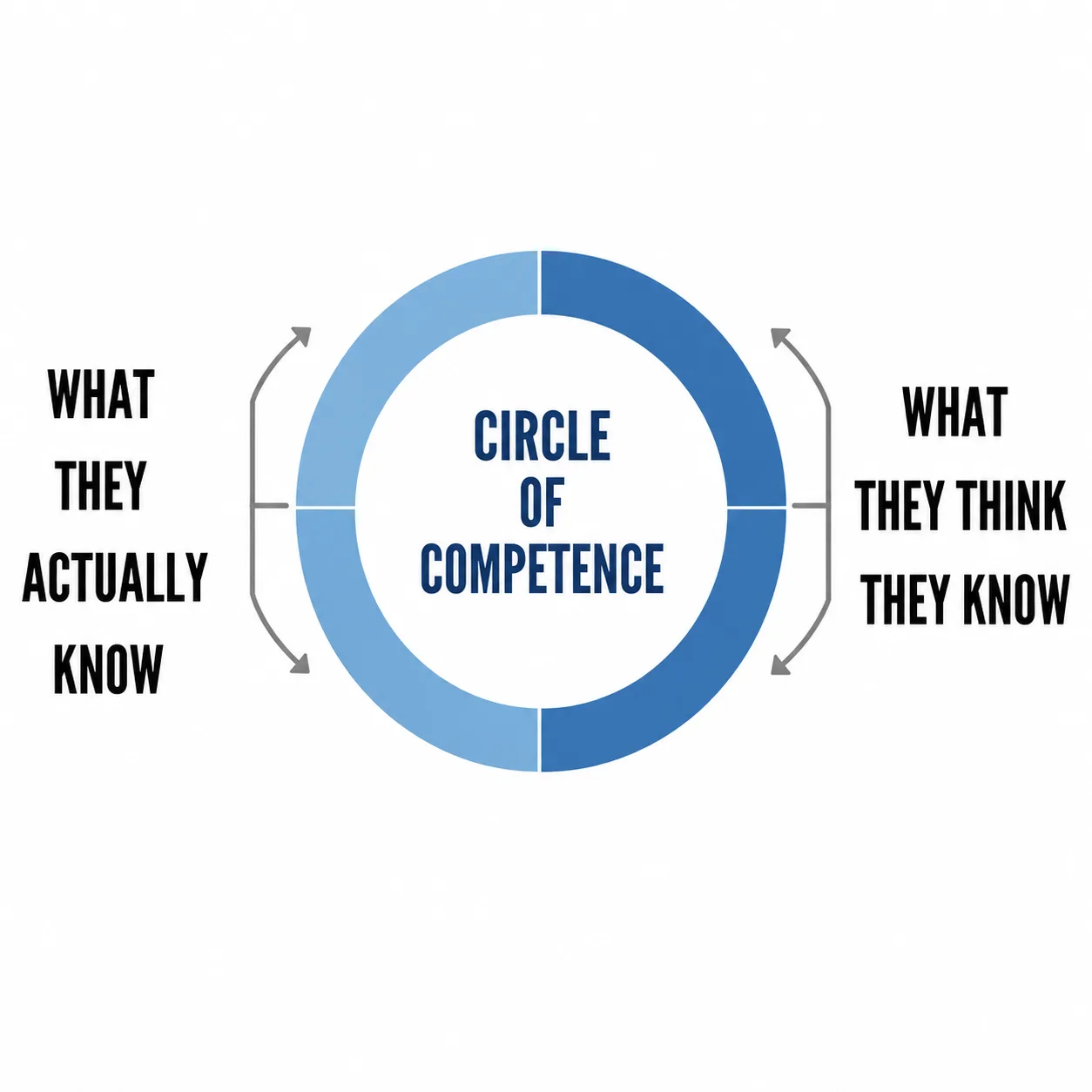 Circle of CompetenceBuffett's rule: stick to businesses you understand.
 How Long to Hold a StockHolding periods explained, and why time matters.
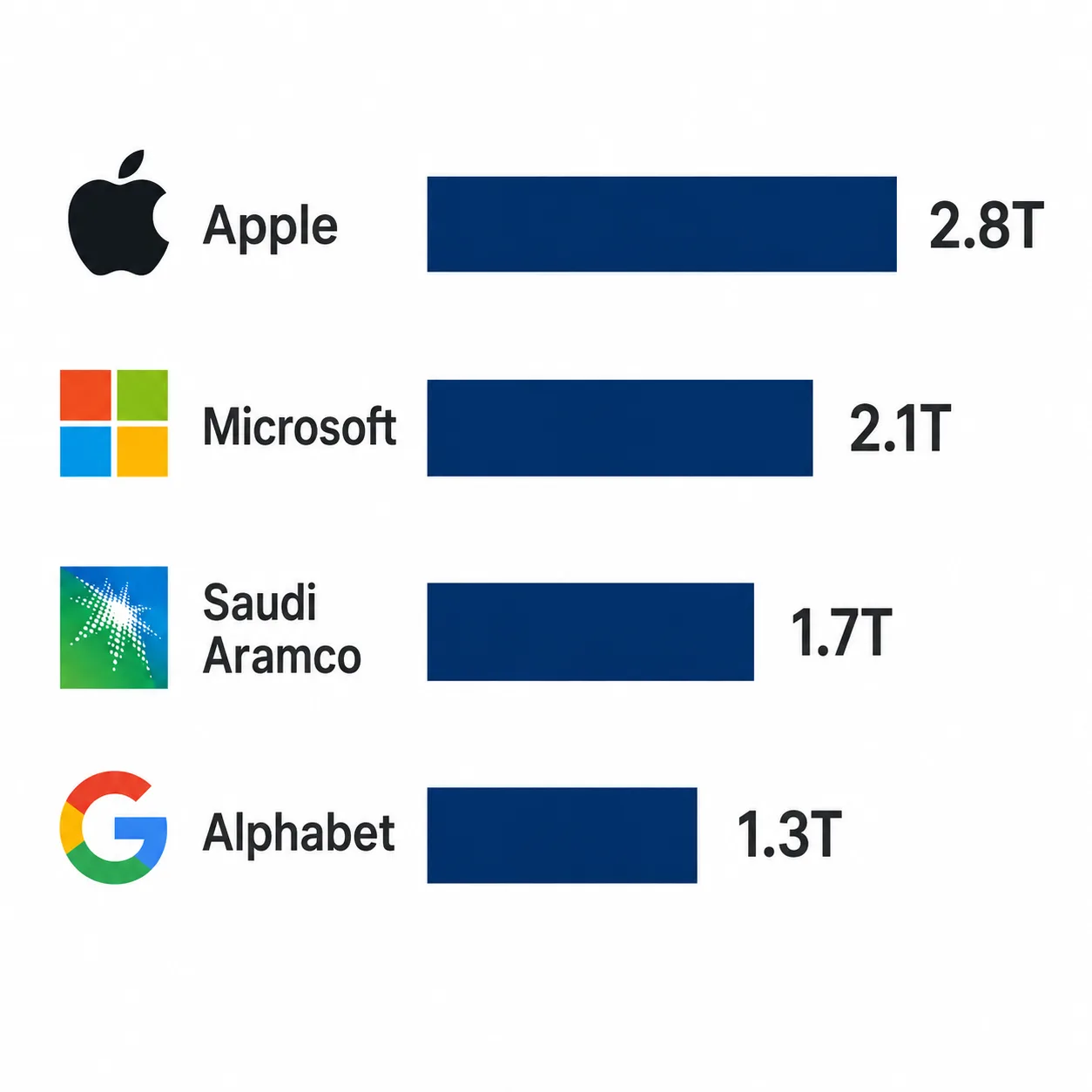 EarningsWhat company earnings are and why they drive share prices.
 DebtHow to tell if a company's debt is safe or a warning sign.
 Management TeamsWhat to look for in the people who run a company.
 Economic MoatsThe lasting advantages that protect a business from rivals.
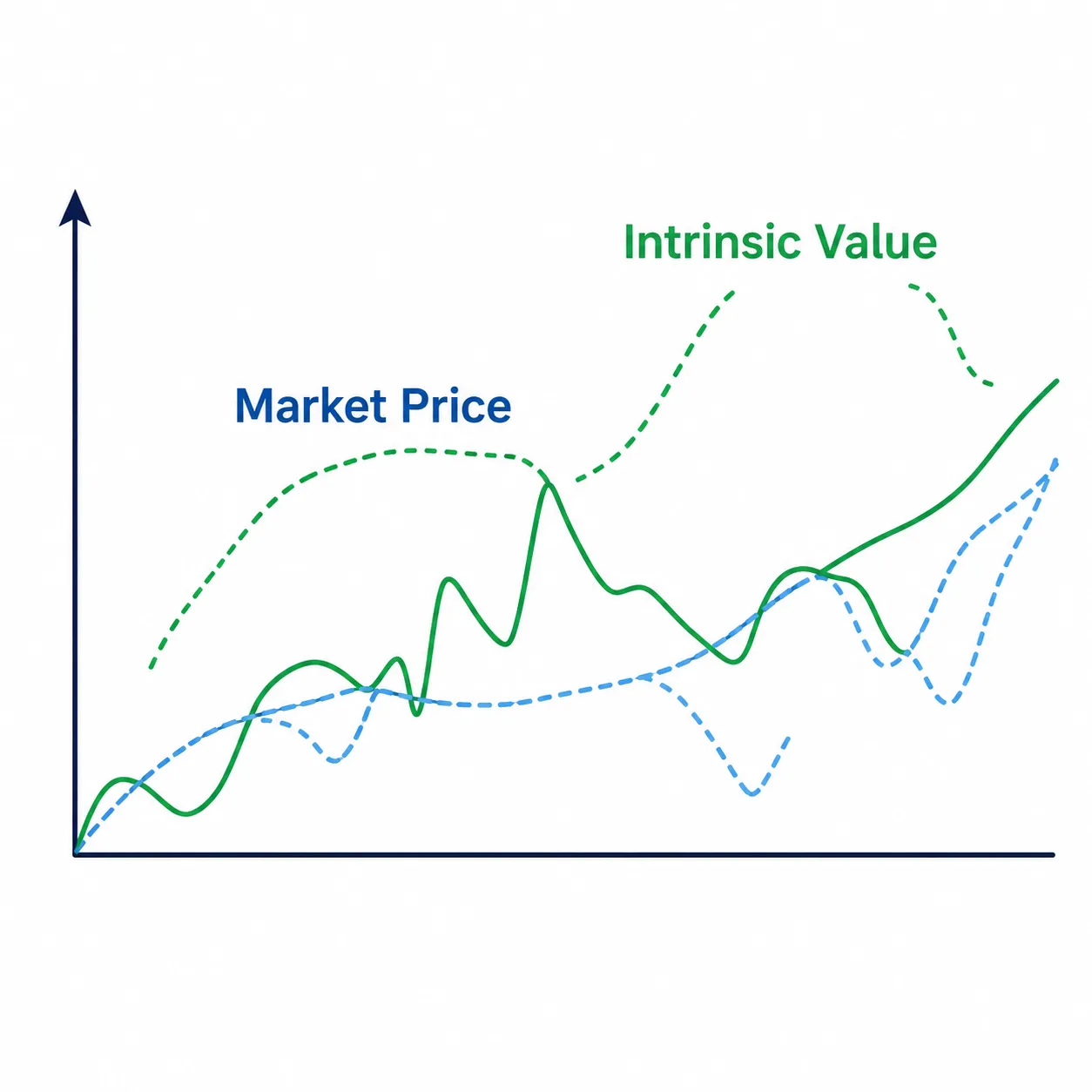 Intrinsic ValueWhat a business is really worth, and how investors estimate it.
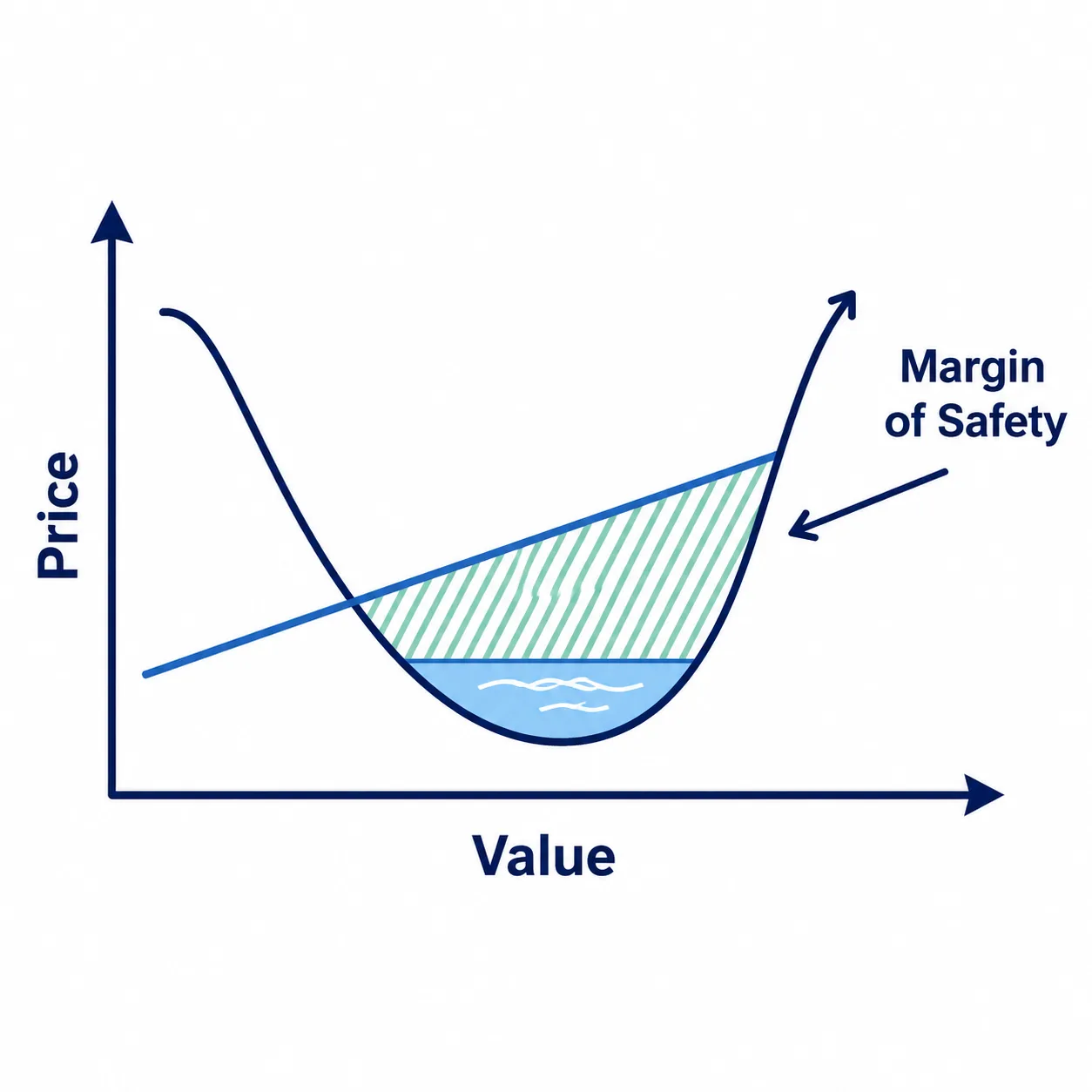 Margin of SafetyBuying below fair value so one mistake does not sink you.
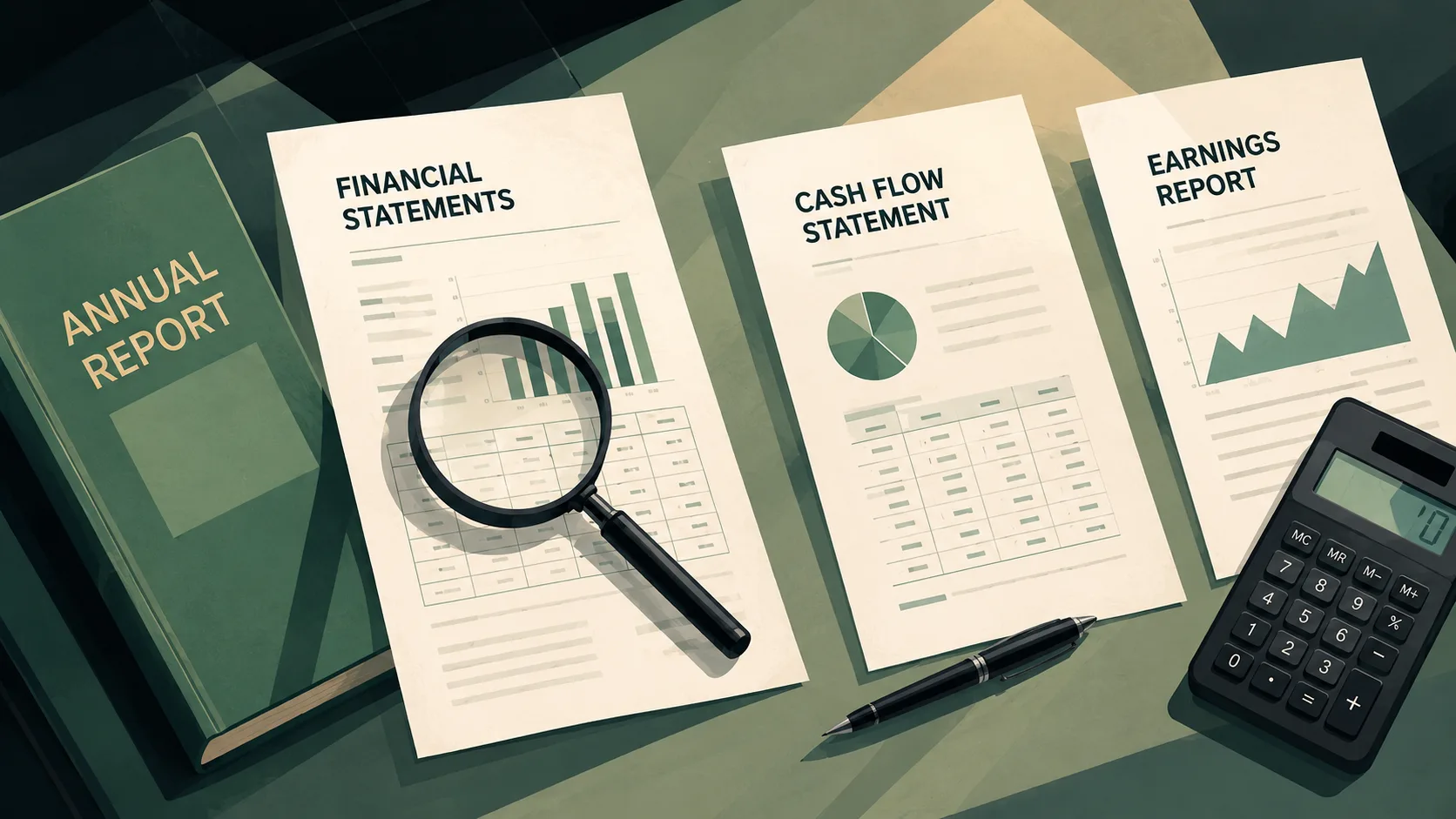
 Financial StatementsThe three reports public companies publish, and what each one shows.
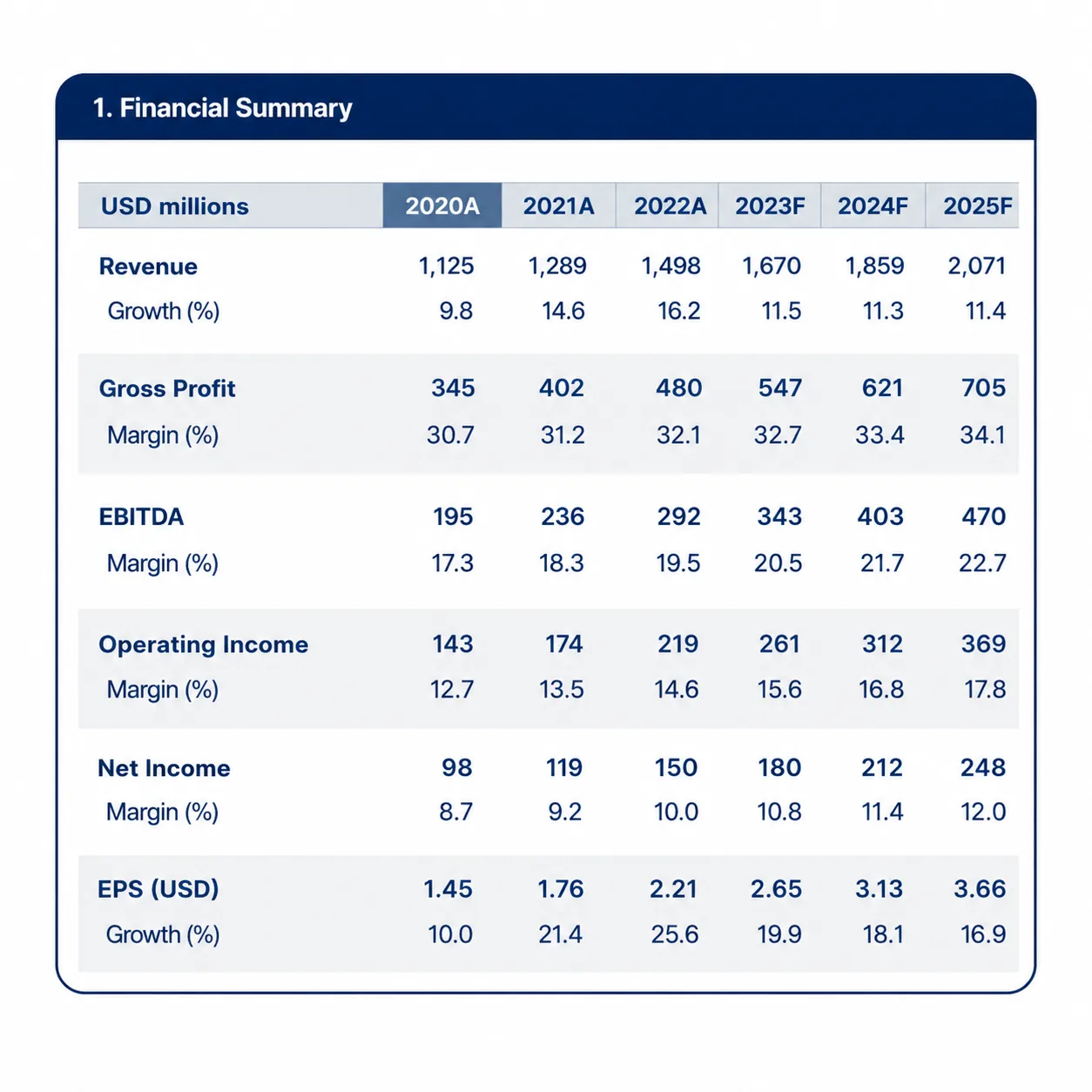 Company Financial ReportsWhere to find annual and quarterly reports, and how to use them.
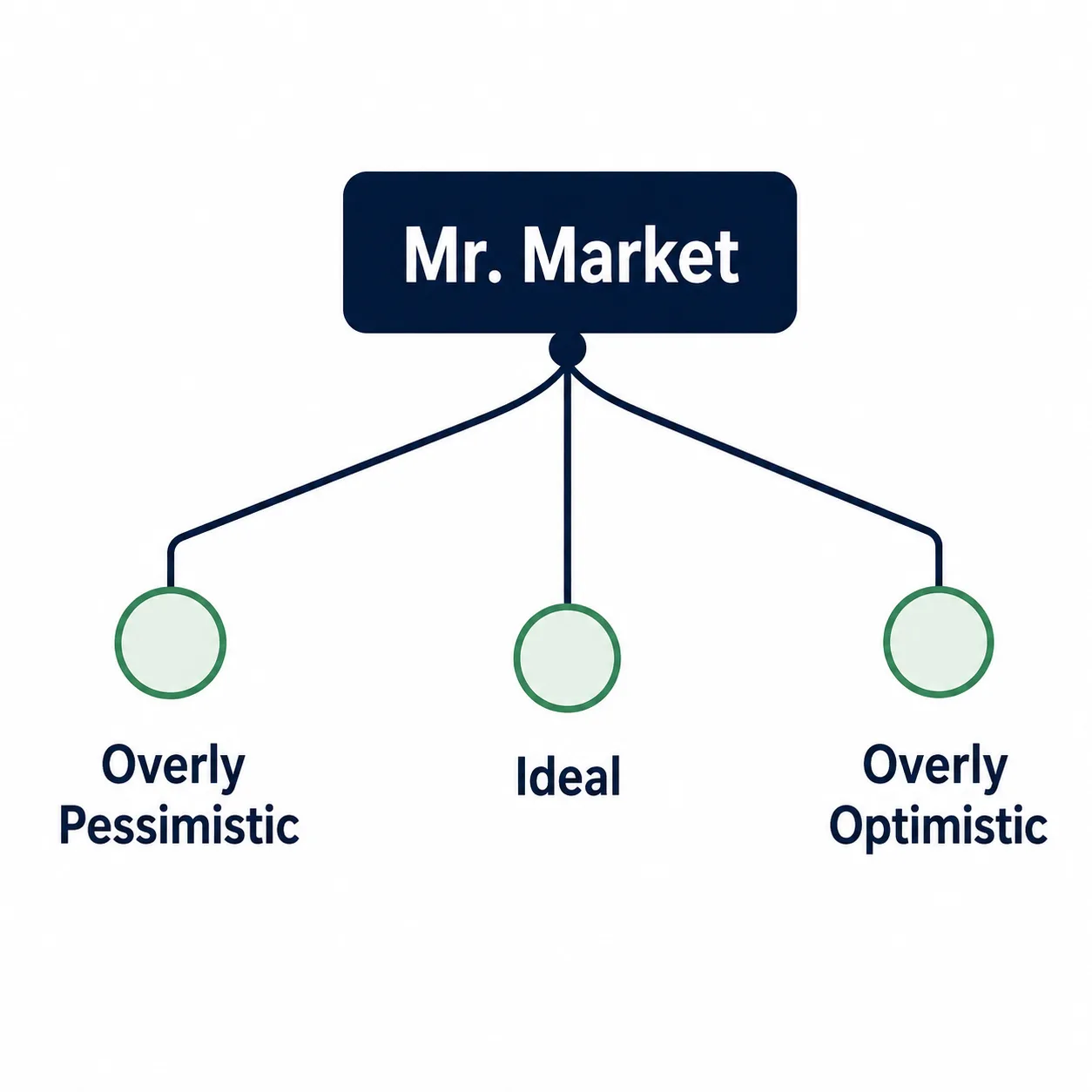 Mr. MarketBenjamin Graham's way of thinking about daily price moves.
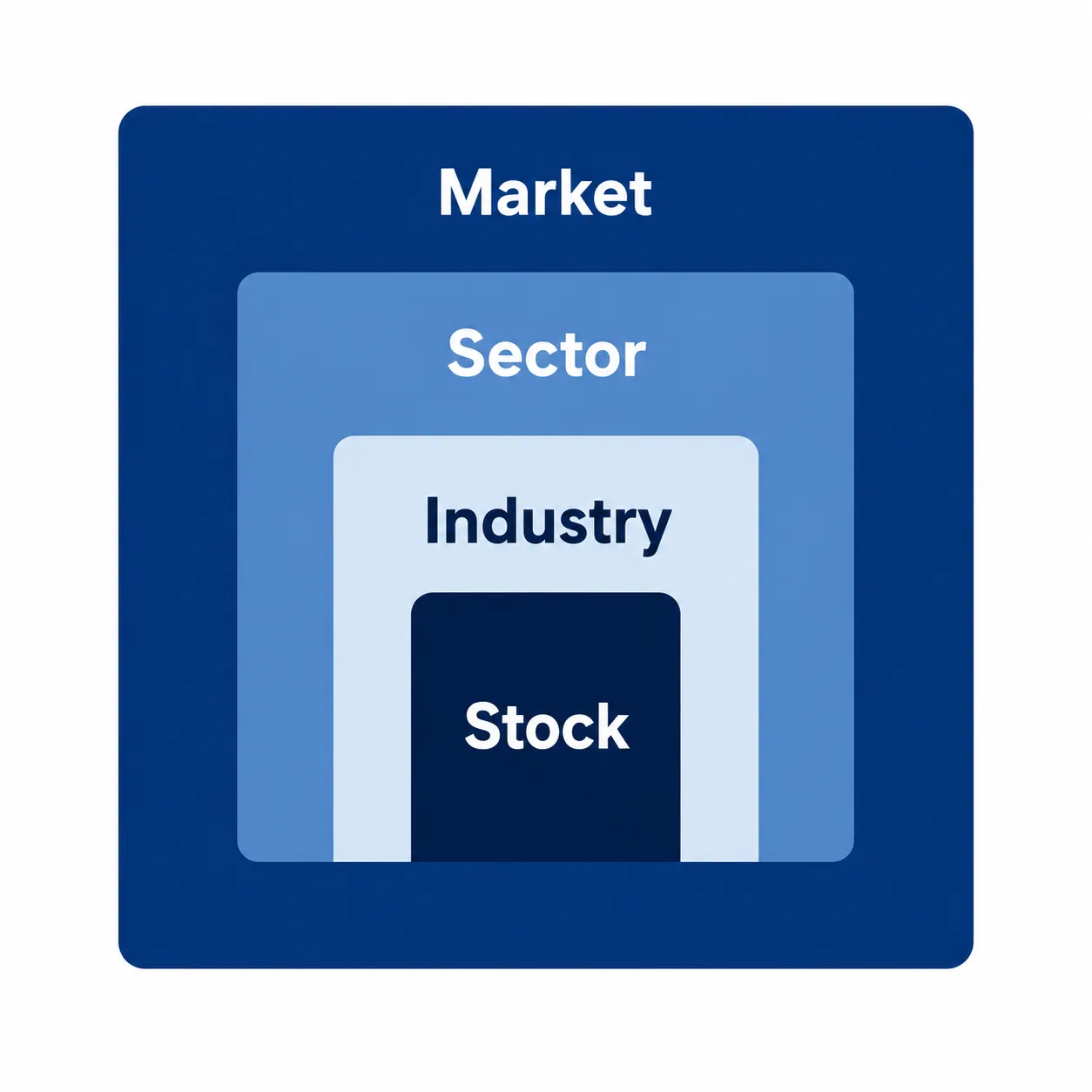 Efficient Market TheoryThe idea that prices reflect what is known, and its limits.
 Behavioral FinanceThe mental traps that lead investors to buy high and sell low.
 Market Herd BehaviorWhy crowds push prices too far, both up and down.
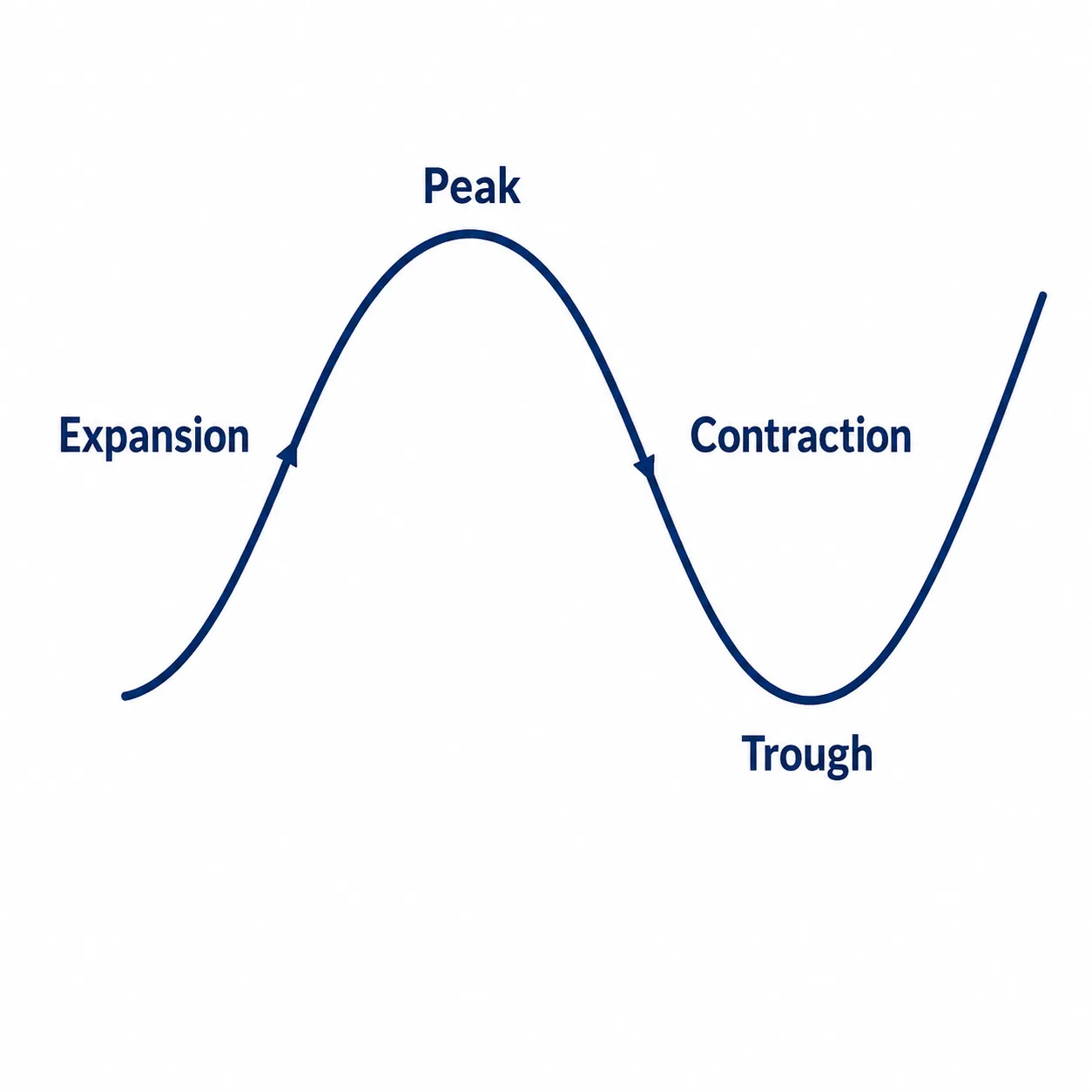 Stock Market CyclesThe four phases of a market cycle, from boom to crash and back.
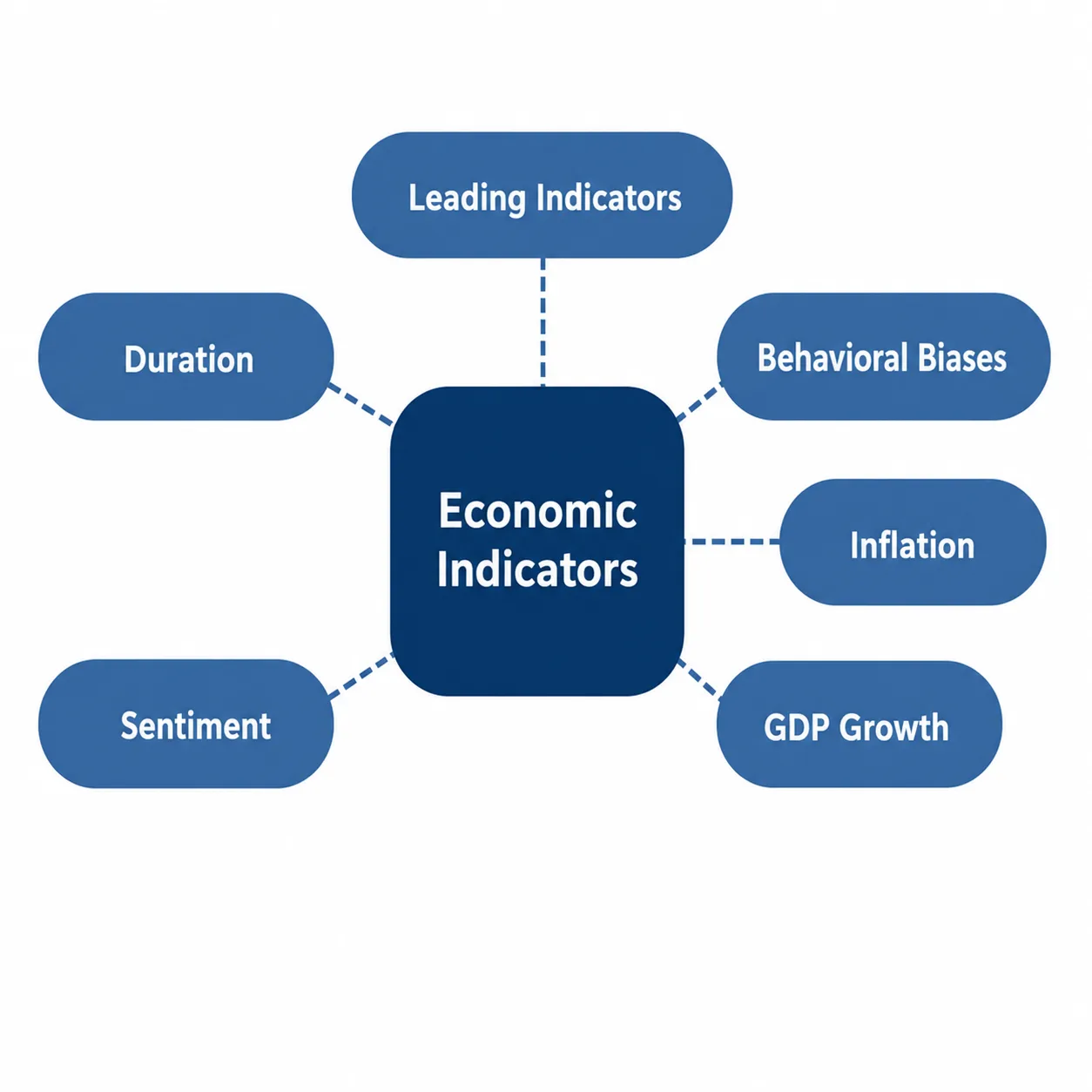 Economic IndicatorsThe data that shows where the economy is heading.
 Stock Market Indexes and CryptocurrenciesHow global indexes work, and how crypto differs from shares.
 Beginners QuestionsStraight answers to the questions every new investor asks.
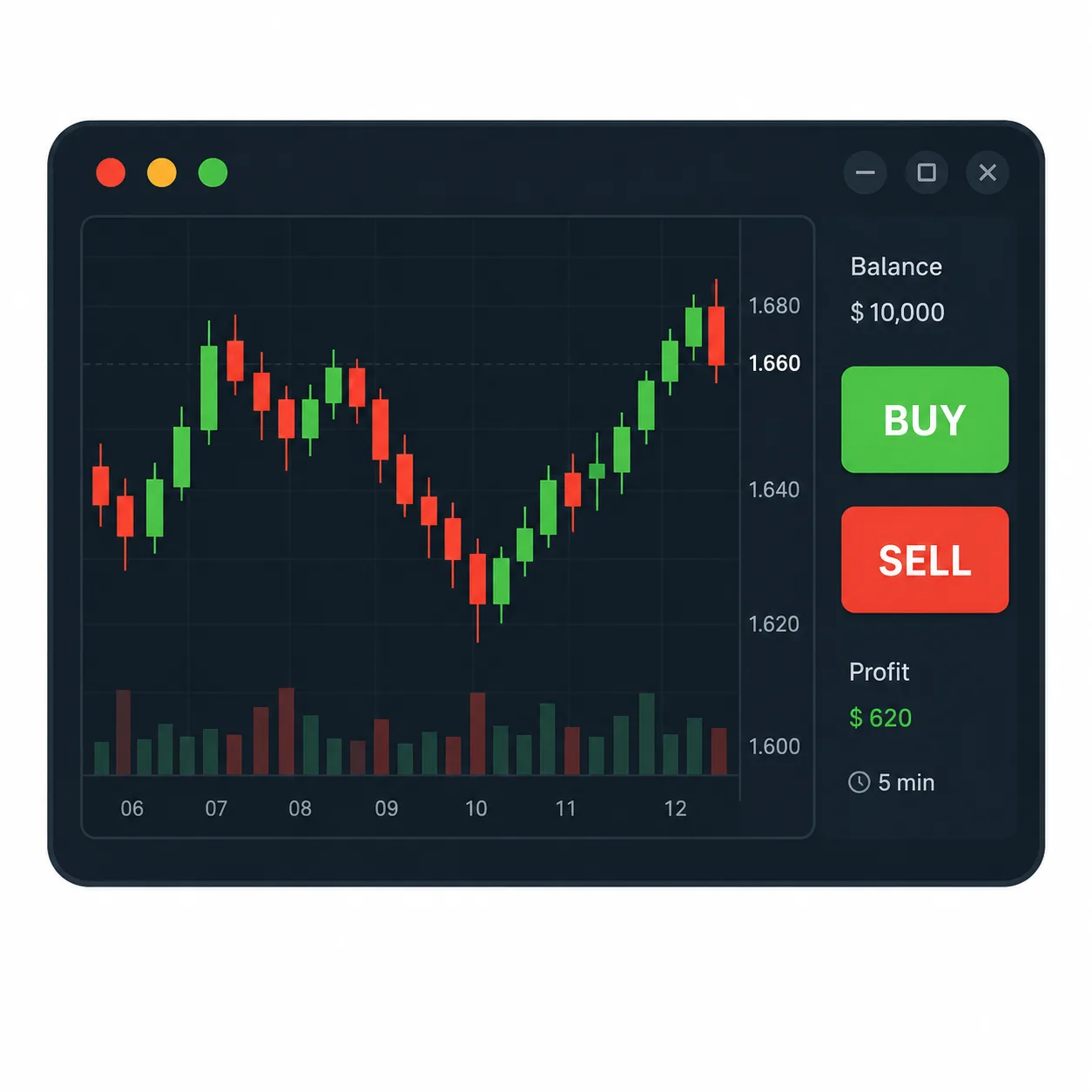 How to Place Orders on a Trading PlatformHow buy and sell orders work, for beginners.
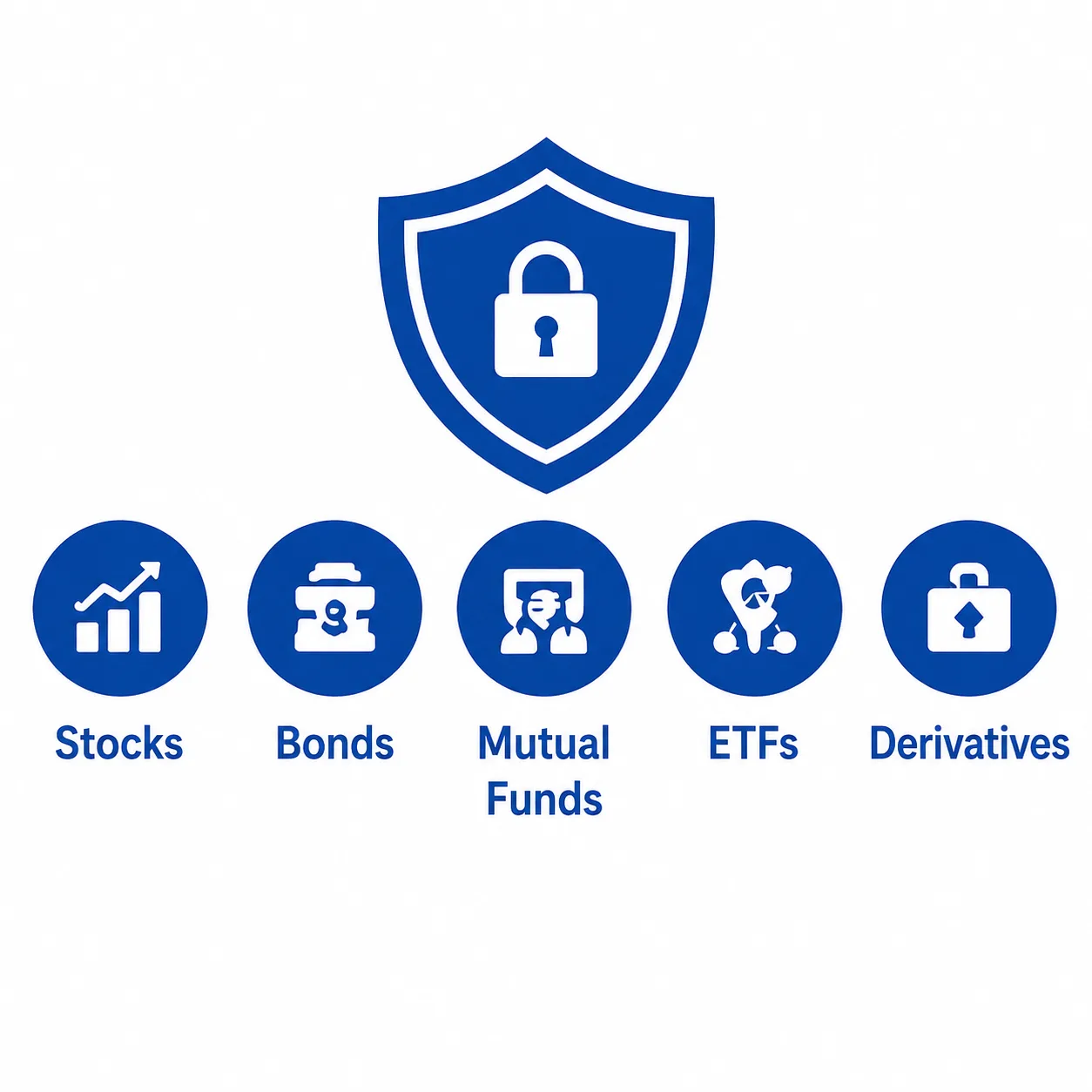 Types of Investment SecuritiesShares, bonds, funds and more: what each one is.
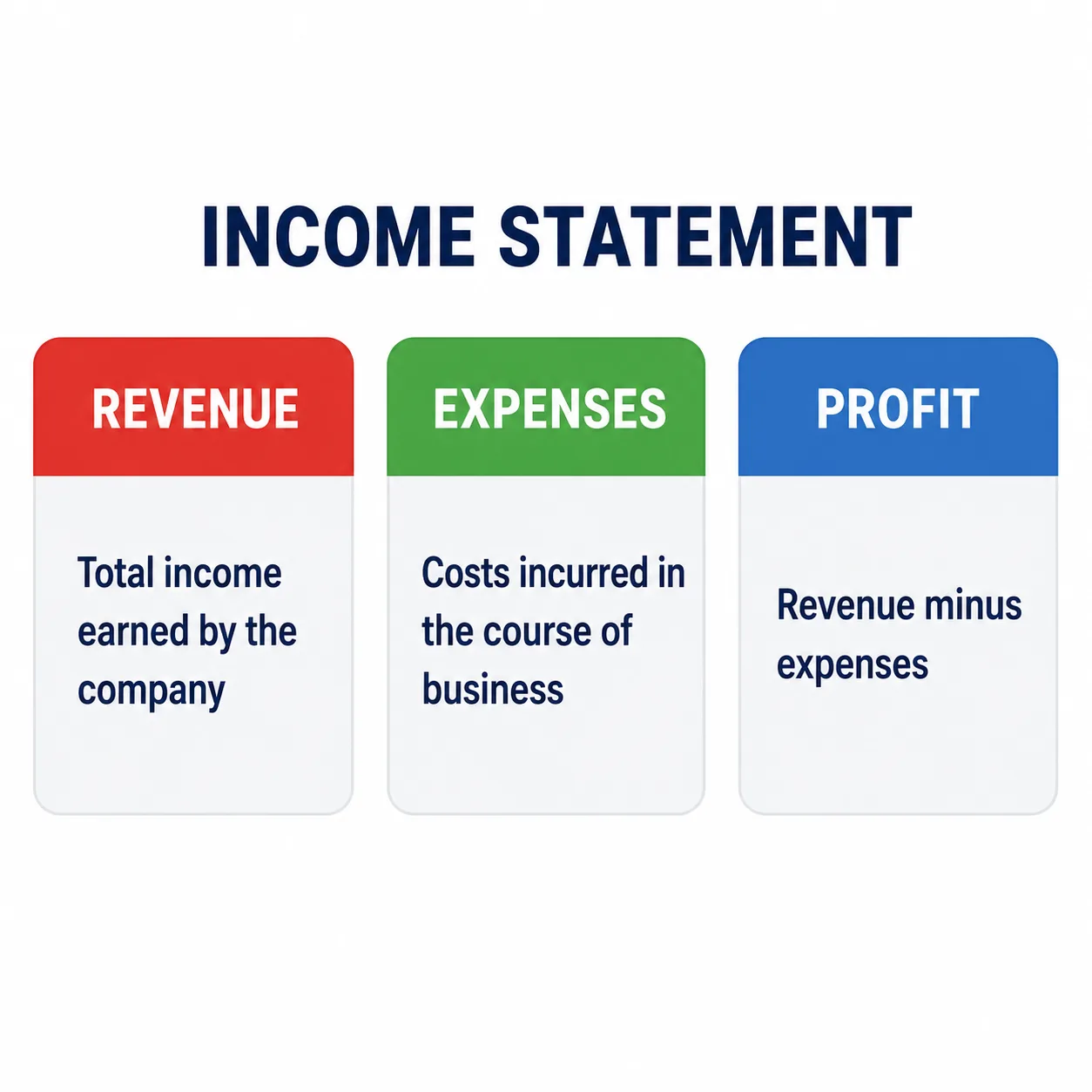 How to Read an Income StatementRevenue, costs and profit: how to read a company's results.
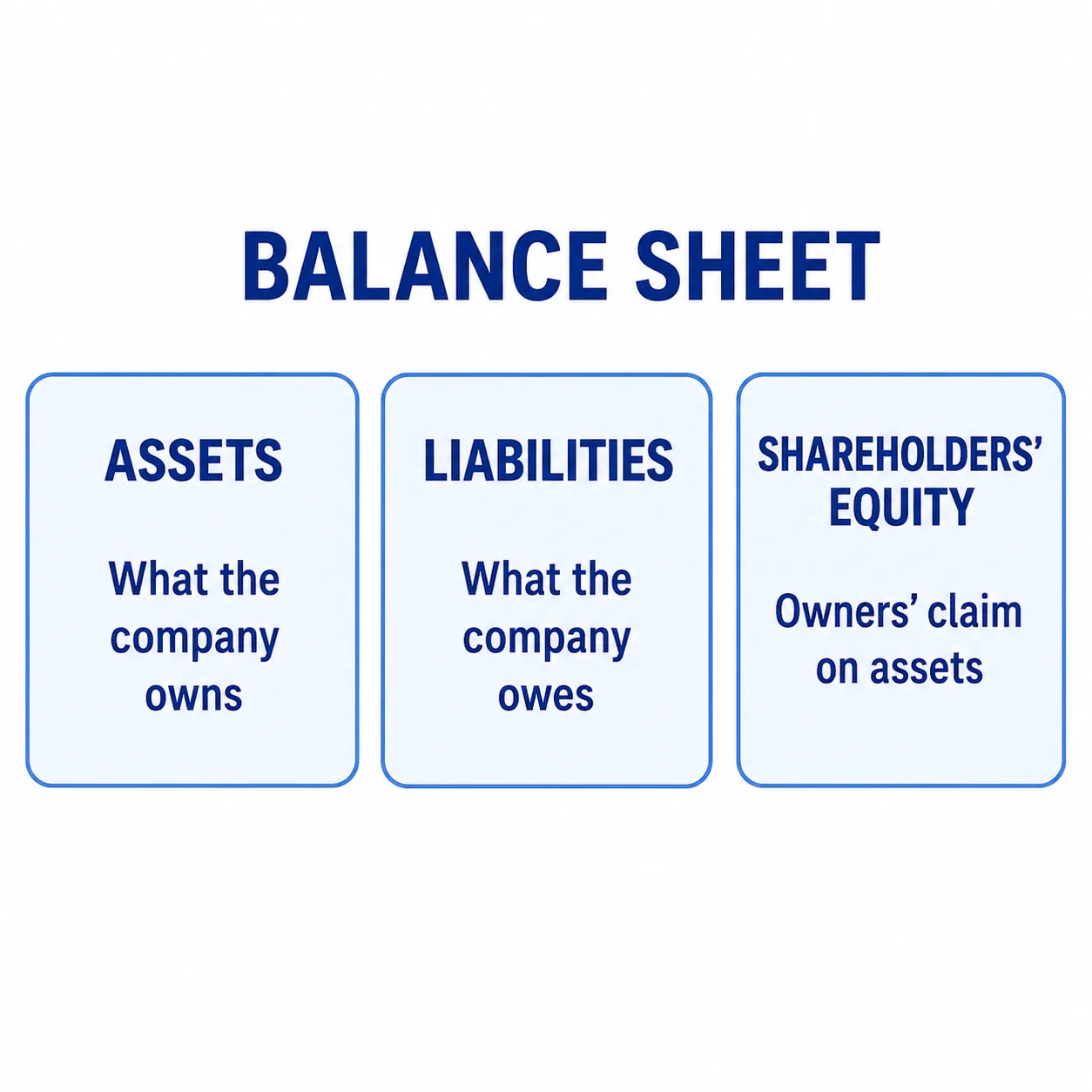 How to Read a Balance SheetWhat a company owns, what it owes and what is left for owners.
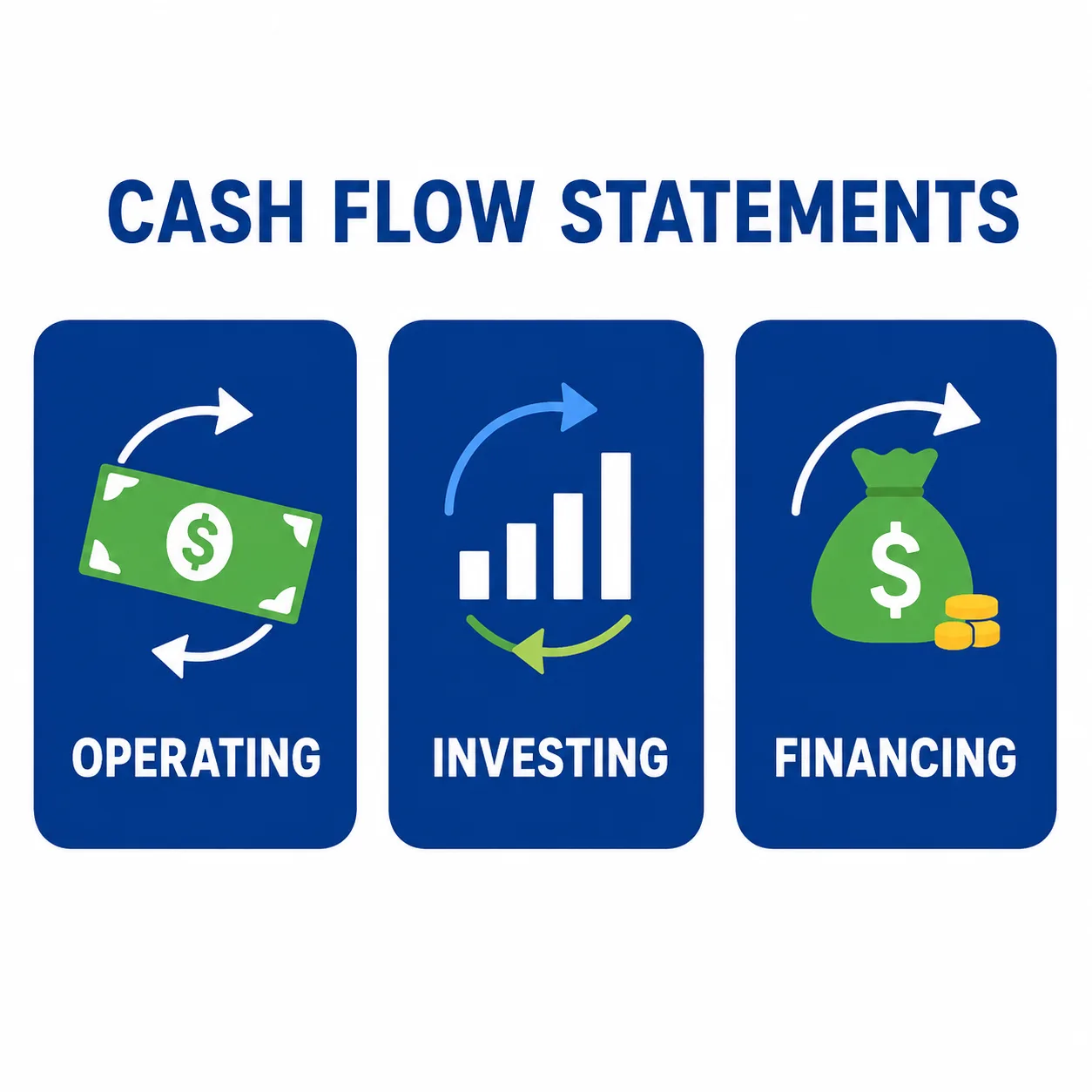 How to Read a Cash Flow StatementWhere a company's cash really comes from and where it goes.
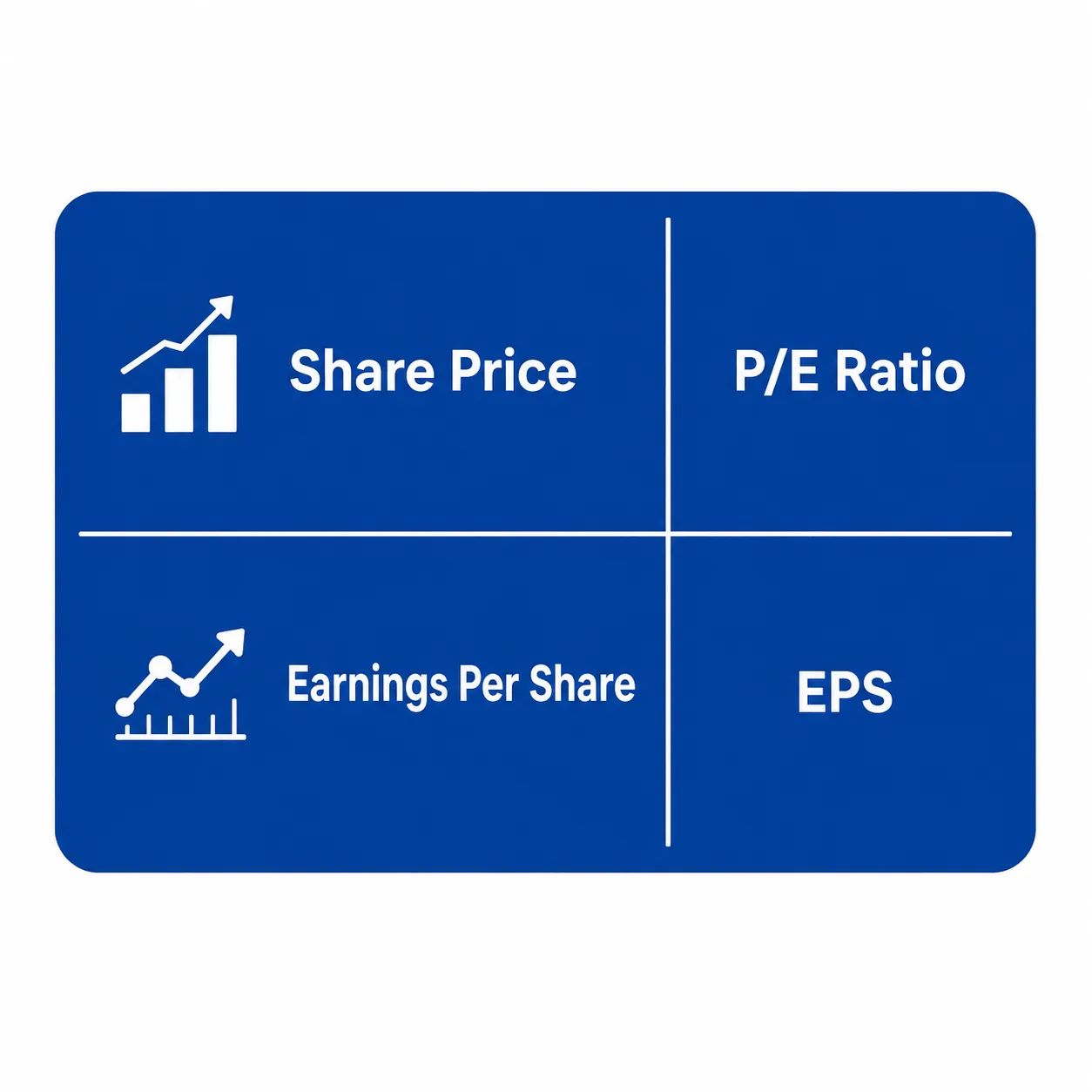 Main Investment Analysis RatiosThe key ratios investors use to compare companies.
 Types of Industries in the Stock MarketThe main sectors of the market and what drives each one.
 Portfolio Management BasicsHow to set realistic goals and track your investments.
 How Stocks Are TaxedCapital gains and dividends, explained.
 Charlie Munger's Cognitive BiasesMunger's list of thinking errors, explained with examples.

 Warren BuffettHow he built Berkshire Hathaway through value investing.
 Charlie MungerBuffett's partner and his mental models for clear thinking.
 Benjamin GrahamThe father of value investing and Buffett's teacher.
 Peter LynchThe Magellan Fund manager who said to invest in what you know.
 John C. BogleThe Vanguard founder who made low cost index funds mainstream.
 Howard MarksOaktree's cofounder on risk, cycles and second level thinking.
 Philip FisherThe growth investor who taught investors to study a company deeply.
 Seth KlarmanThe Baupost Group founder and his risk averse value approach.
 Joel GreenblattThe magic formula investor and his special situations.
 T. Rowe Price Jr.The father of growth investing and his long term approach.
 George SorosThe macro investor behind the theory of reflexivity.
 Ray DalioBridgewater's founder and his principles for markets and life.
 Stanley DruckenmillerThe macro investor known for big, well timed bets.
 Paul Tudor JonesThe trader famous for calling the 1987 crash.
 Jesse LivermoreThe legendary speculator whose story became a trading classic.
 Jim SimonsThe mathematician who built Renaissance Technologies.
 Carl IcahnThe activist investor who pushes companies to change.
 Bill AckmanThe Pershing Square founder and his activist campaigns.
 John TempletonThe Global Bargain Hunter.
 Michael BurryThe Contrarian Who Read the Fine Print.
 Nassim Nicholas TalebThe Trader Who Studies Rare Events.
 Robert J. ShillerThe Economist Who Measured Bubbles.
 Cathie WoodThe Disruptive Innovation Investor.
 Aswath DamodaranThe Teacher of Valuation.
 Eugene FamaThe Economist Who Put Markets to the Test.
 Jim ChanosThe Professional Skeptic.
 Edward O. ThorpThe Mathematician Who Beat the Dealer.
 David TepperThe Distressed Investor Who Reads Washington.
 Mohnish PabraiThe Value Investor Who Clones the Greats.
 Harry MarkowitzThe Economist Who Measured Diversification.

 How to Set Up a Share Price ChartSet up a company's price chart in TradingView, step by step.
 Share Price ChartsHow price charts work and how to read the main chart types.
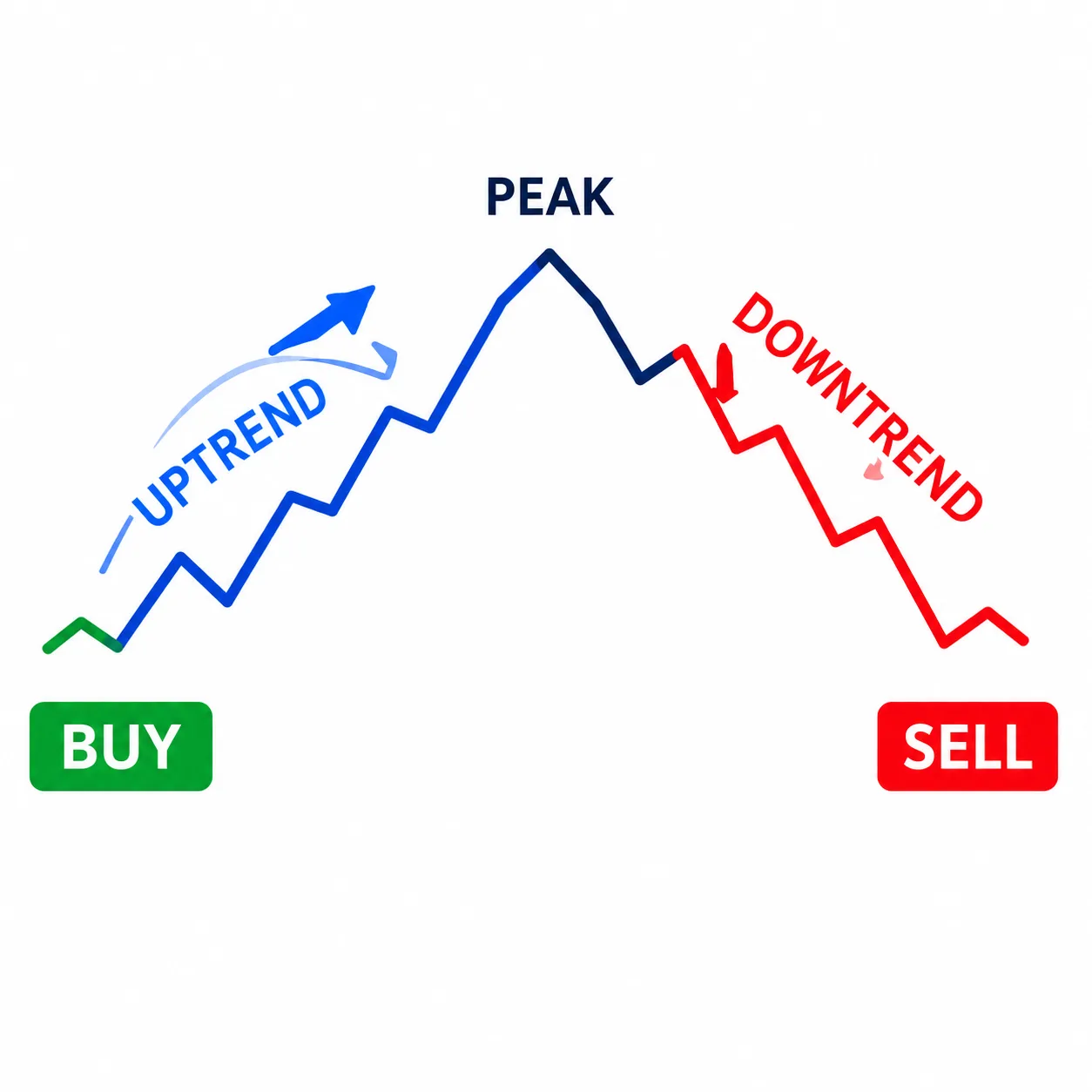 TrendsHow to spot uptrends, downtrends and sideways markets.
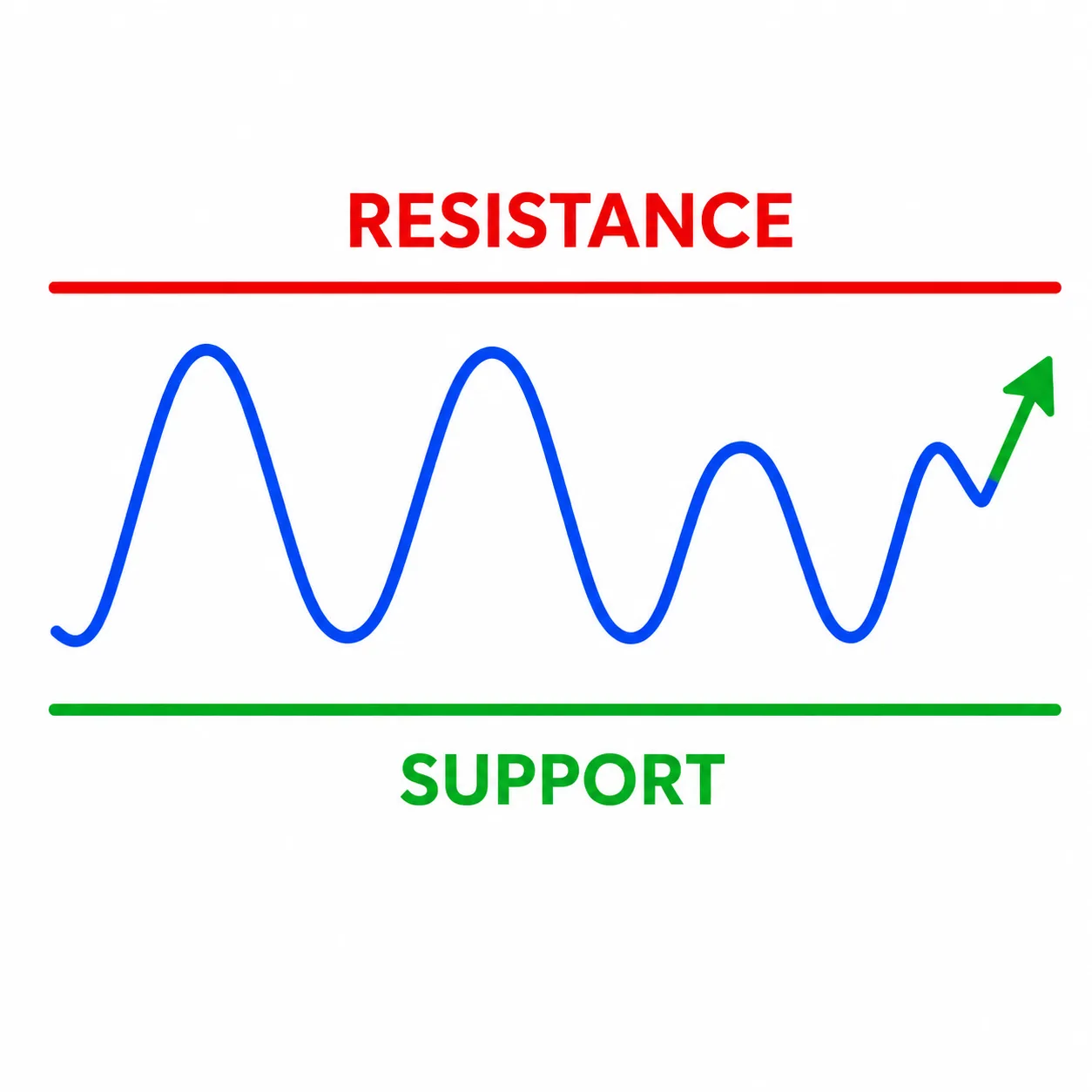 Support and Resistance LinesThe price levels where buying or selling tends to show up.
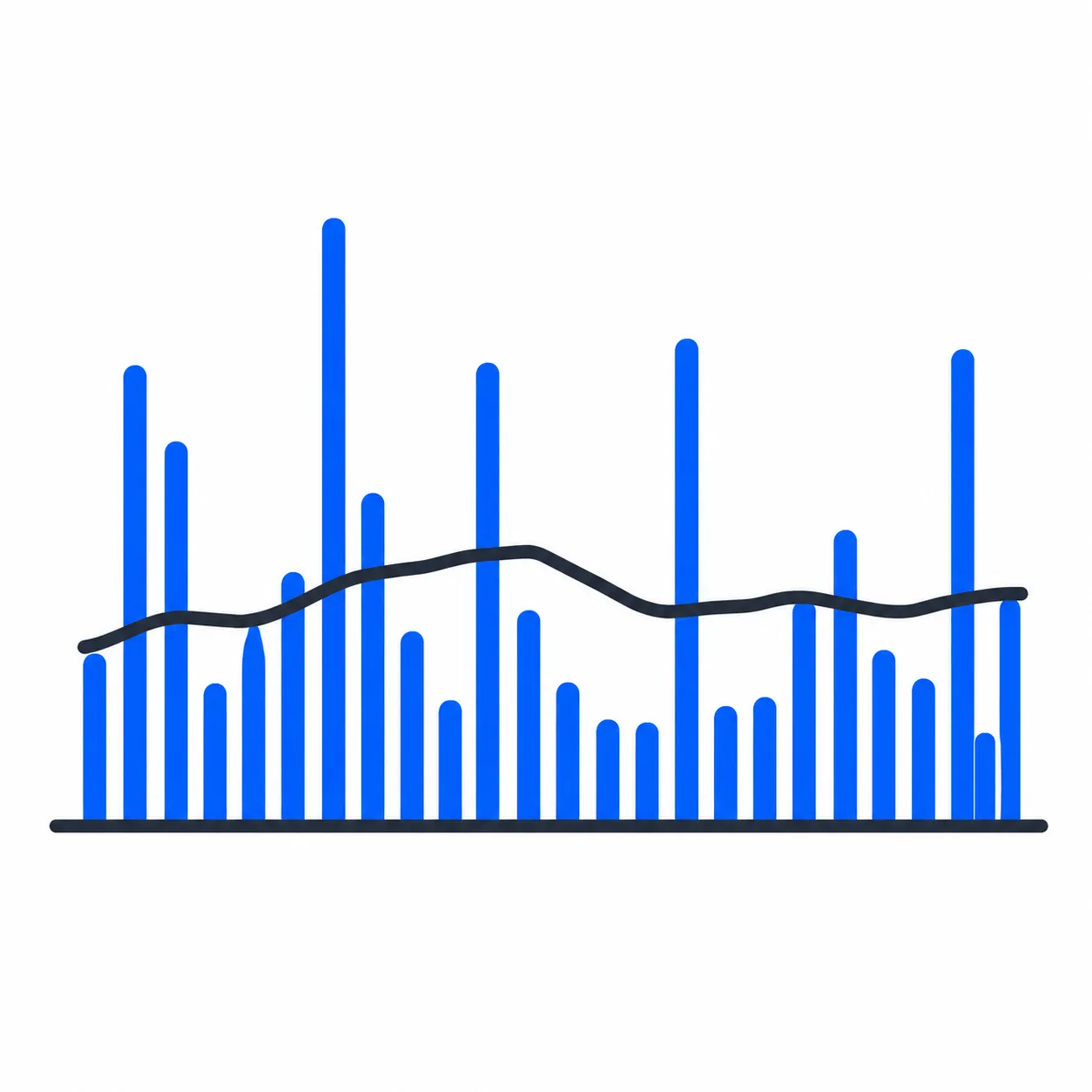 VolumeWhat trading volume says about the strength of a move.
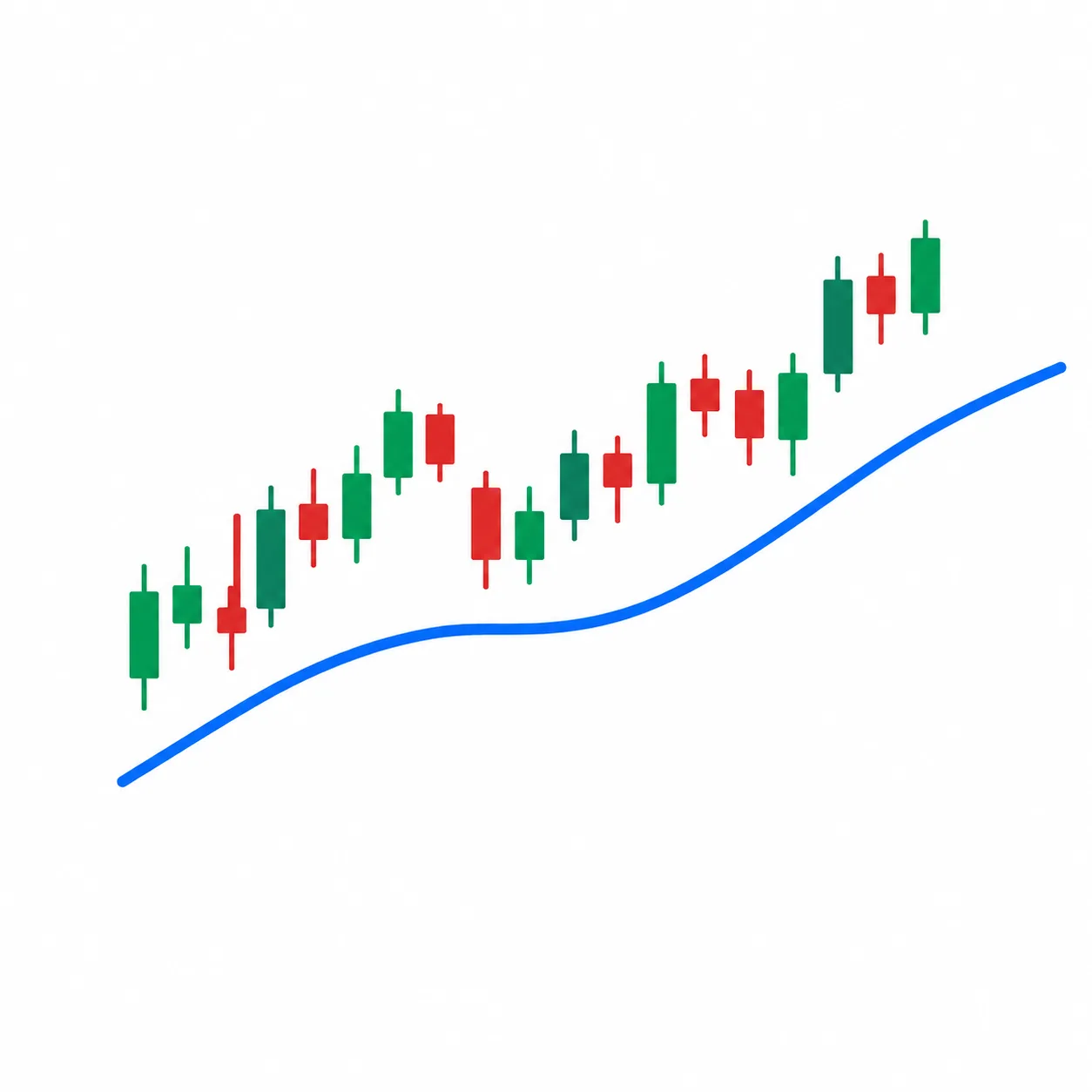 Moving AveragesHow moving averages smooth out price and show the trend.
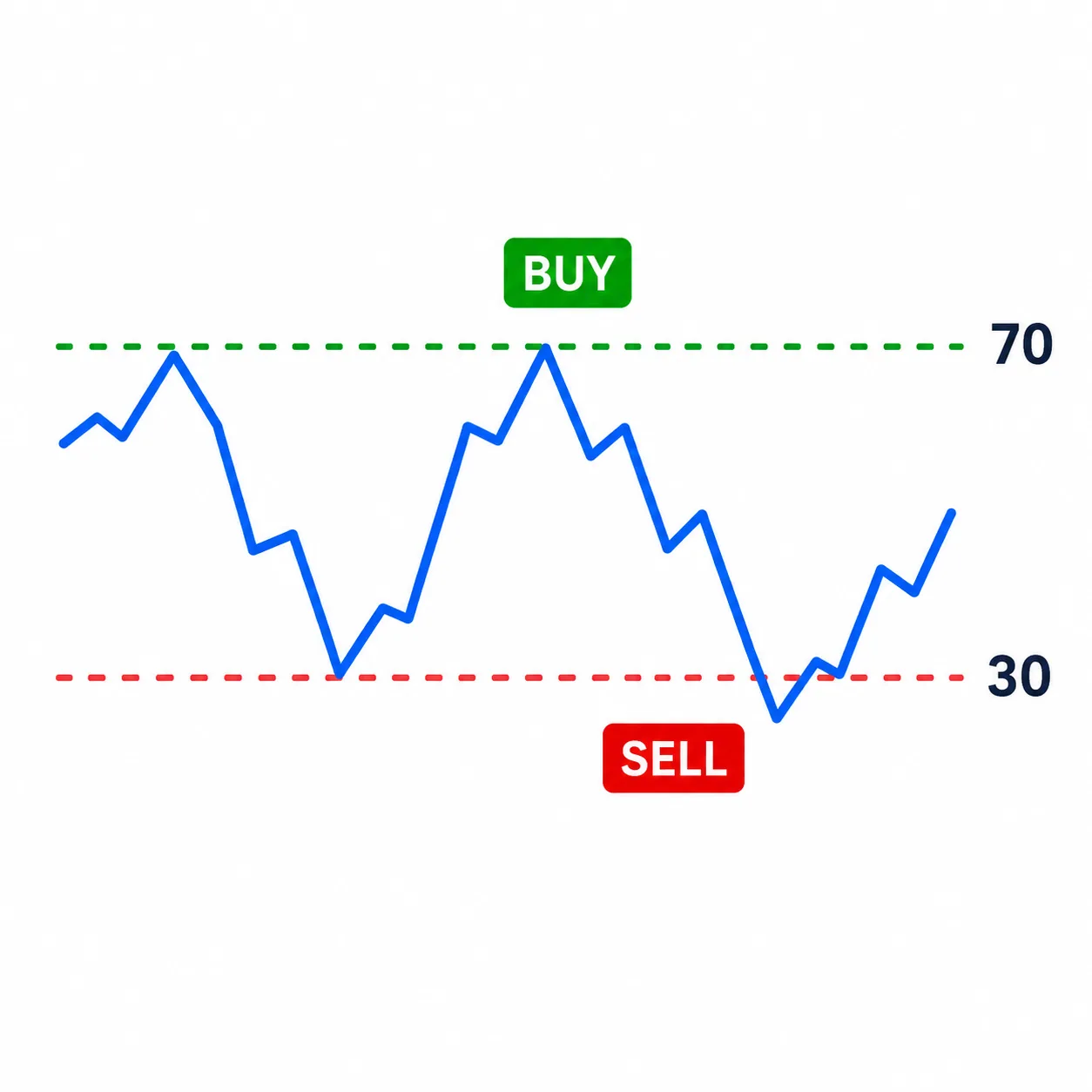 RSI ExplainedThe Relative Strength Index and how traders read it.
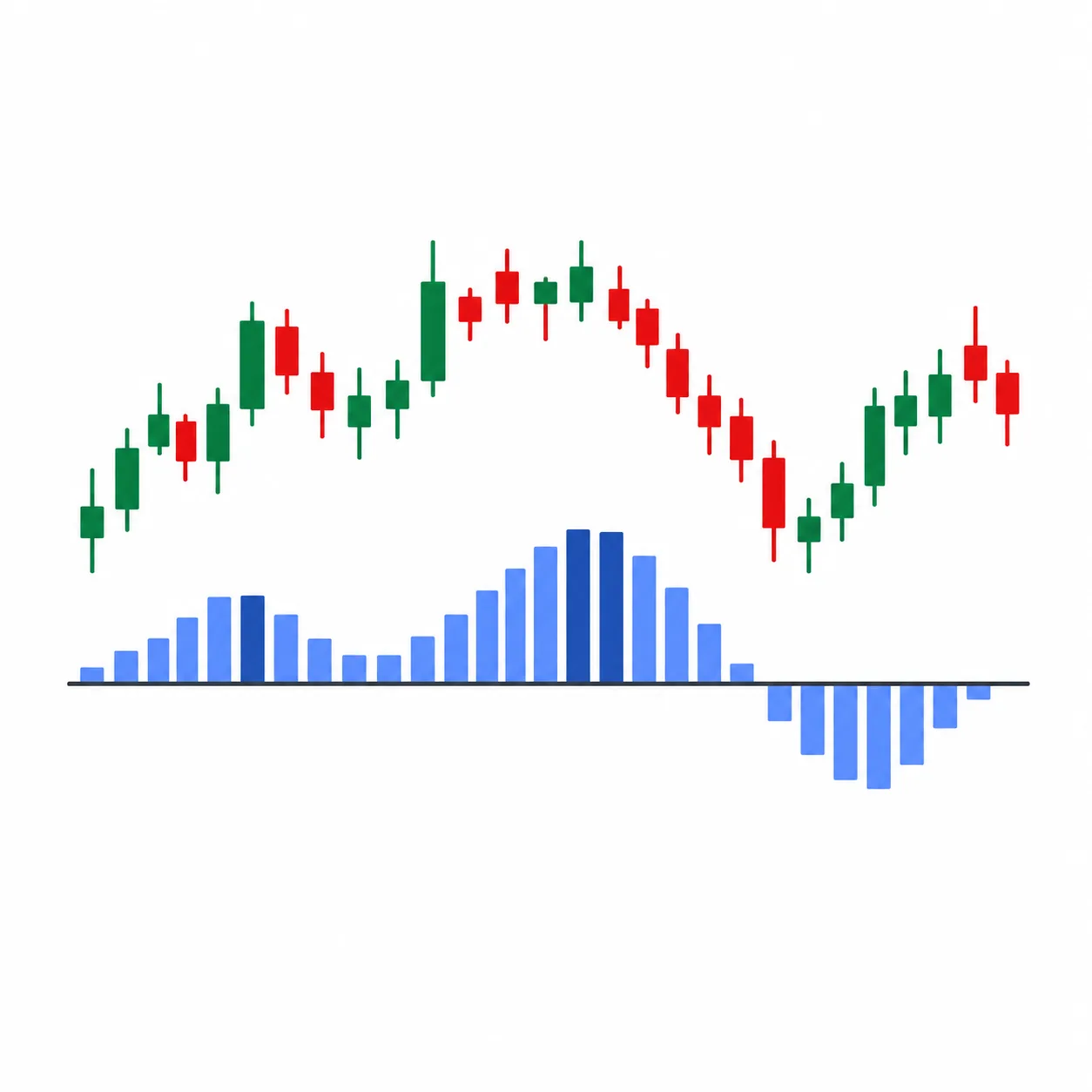 MACDWhat MACD shows and how traders use it.
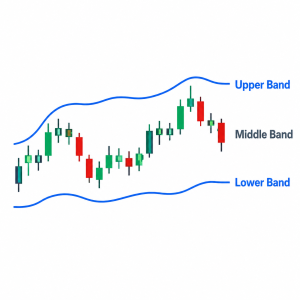 Bollinger BandsBands around price that widen and narrow with volatility.
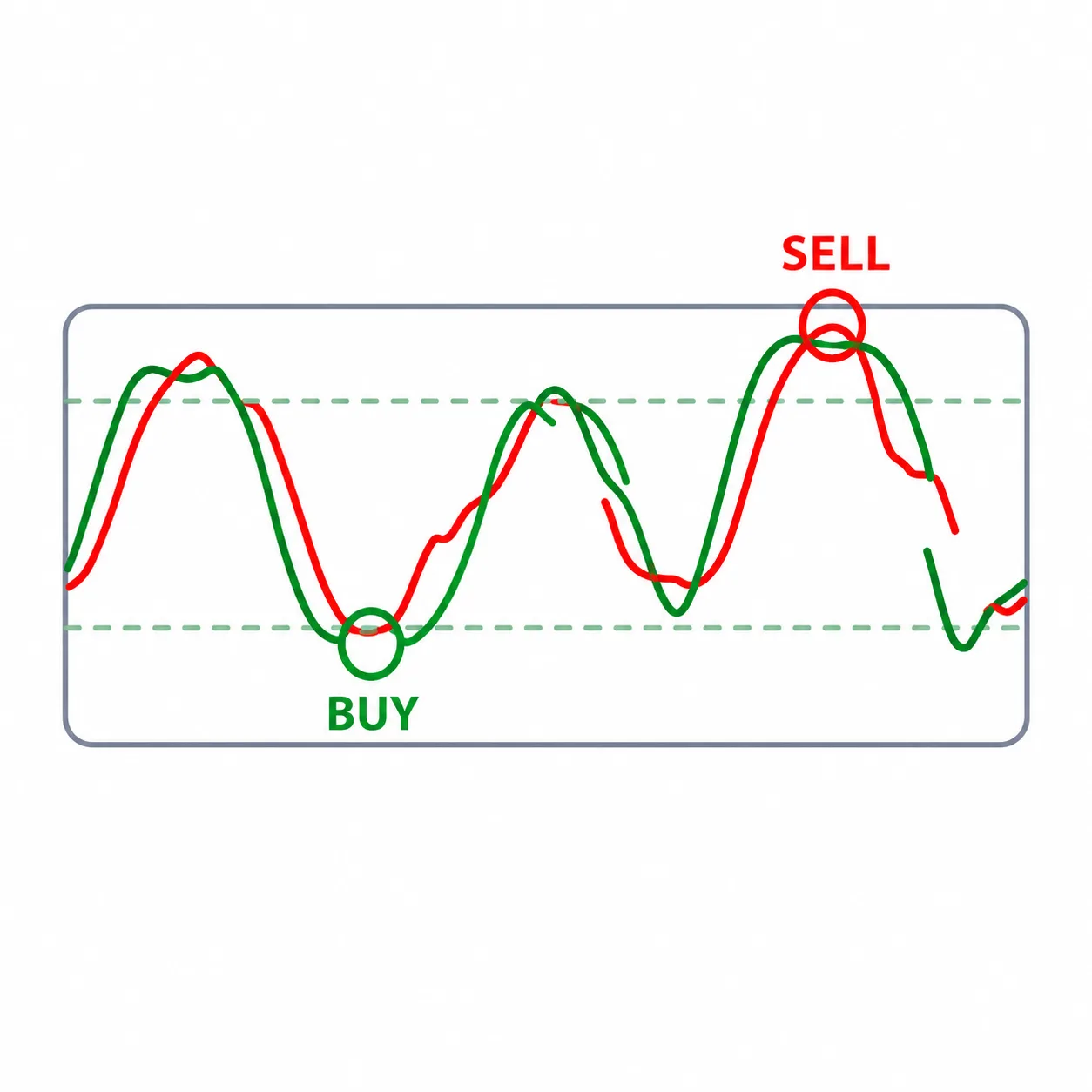 StochasticsA momentum indicator that compares the closing price with its recent range.
 Money Flow IndexAn indicator that combines price and volume.
 Momentum IndicatorHow momentum shows the speed of a price move.
A stock is a small share of ownership in a company, and the stock market is where those shares are bought and sold. Prices move as buyers and sellers weigh each company's future profits. The basics lessons explain how this works, how to read company accounts and the big ideas investors rely on.
Yes. Every basics lesson is free to read, with no account needed. A free account saves your course progress if you want it.
Start with Big Investing Ideas, which explain the principles the rest of the site builds on. Then read the Practical Guides, then Great Investors, and finally Reading Charts, because chart signals make more sense once you know what a business is worth.
Companies sell shares to raise money, and investors then trade those shares with each other on exchanges such as the New York Stock Exchange and Nasdaq, through a broker. A share price rises or falls as investors change their view of the company's future profits.
Investors buy part of a business and usually hold it for years, aiming to benefit as the business grows. Traders buy and sell over shorter periods, aiming to profit from price moves. The basics cover both, starting with long term investing principles.
Compounding means your returns start earning returns of their own, so growth speeds up the longer you stay invested. It is why starting early matters so much. The compound interest lesson explains how it works.
A stock chart plots a share's price over time, usually with trading volume underneath. Start by spotting the trend, then look for support and resistance levels and check the volume. The chart lessons explain each step and the indicators traders use, such as moving averages and RSI.
Yes. They are written for beginners and assume no prior knowledge, and they also work as a quick reference for experienced investors. If a word stops you, the investment glossary explains it.
The StockEducation editorial team writes them. Lessons checked for educational accuracy by Associate Professor Charles Lo, CPA, PhD, the site's academic reviewer, show his name and the review date on the page.
No. StockEducation is education only. The lessons explain how investing works so you can make your own decisions, and they never give buy or sell recommendations or personal advice.

Publisher and curriculum designer. Writes the lessons and sets the order you learn them in.

Academic Reviewer. Executive Dean, Wentworth Institute of Higher Education.
Start the free course, check yourself with a quiz, then practice with $1,000,000 in virtual money.
FreeNo credit cardEducation, not advice
Free beginner guide
4.9/5 · 24 reviews on Shopper Approved (opens in a new tab)The basics, plus how to check every number AI gives you. Free, straight to your inbox.
Free PDF in your inbox. No spam. Unsubscribe any time.
Learning Path IncludedEvery lesson in the right order, freeGet the Free Guide

Get instant educational answers about
stocks, investing, and StockEducation.com.
Educational support only. Not personal financial advice. AI responses may contain errors.
Powered by AI ●

A beginner friendly guide that covers the essential lessons and concepts every new investor should understand.
Inside You'll Learn
I can explain how investing works. I cannot tell you what to buy or what is right for your situation.
I can be wrong. Check anything important against a primary source. For decisions about your own money, speak to someone licensed.


